Millets Types: Discovering the Different Varieties of Millets and Their Remarkable Health Benefits
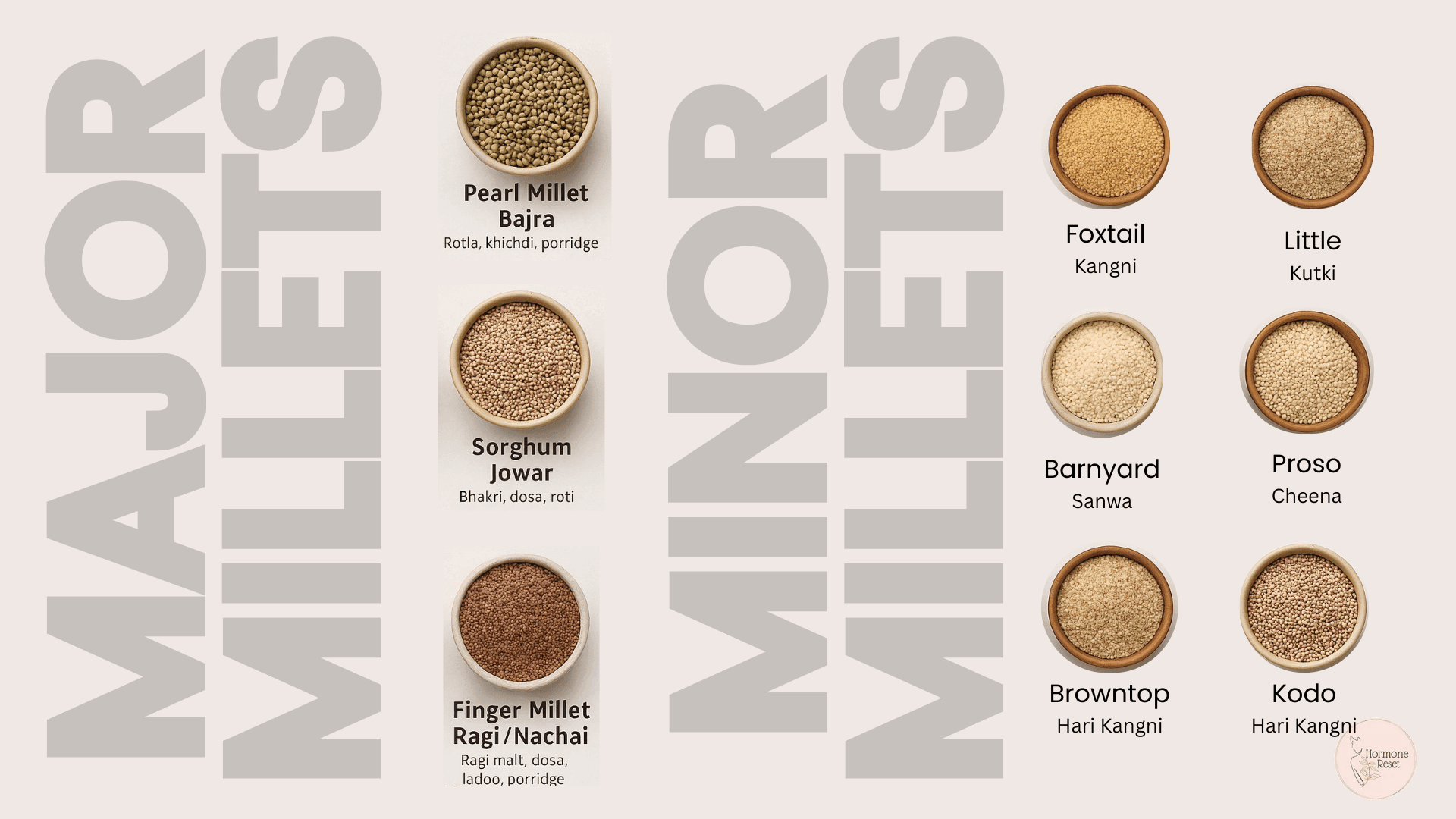
Millets have long formed part of traditional diets, recognised for their hardiness, versatility, and exceptional nutritional value. As modern diets shift towards wholesome ingredients, awareness of millets types has increased considerably. From asking how many types of millets are there to assessing what type of millet is the healthiest, many are turning back to these traditional grains for their outstanding health benefits. In this guide, we examine the different types of millets and their nutritional values, enabling you to select the best millets for health according to your personal goals.
1. Pearl Millet (Bajra)
Pearl millet remains among the most extensively grown grains across India and Africa. Its abundance of protein, fibre, iron, and magnesium positions it firmly among the best millets for health. Valued for enhancing heart function and digestive efficiency, pearl millet further contributes to balanced blood sugar through its low glycaemic index. Among the many types of millets and their benefits, pearl millet stands out for boosting energy and strengthening immunity.
2. Finger Millet (Ragi)
Finger millet, often referred to as ragi, is highly regarded for its remarkable calcium concentration. Consequently, it plays an important role in strengthening bones for both growing children and ageing individuals. Beyond calcium, it supplies key amino acids and antioxidants that contribute to holistic health. When discussing health benefits of different millets, ragi is often highlighted for supporting weight management and improving haemoglobin levels.
3. Foxtail Millet
Foxtail millet is rich in dietary fibre and complex carbohydrates, offering sustained energy release. Many individuals with diabetes favour it for its ability to regulate blood glucose effectively. Within the broader type of millets category, foxtail millet is appreciated for enhancing heart function and improving digestion.
4. Little Millet
Little millet may be small in size, but it offers substantial nutritional value. It is a source of B vitamins, iron, and beneficial fats. As part of the types of millets and their benefits, little millet supports nervous system health and helps reduce cholesterol levels. Its adaptability allows it to be used in porridge, upma, and as a rice substitute.
5. Kodo Millet
High in fibre and antioxidants, kodo millet offers notable health advantages. It contributes to cleansing the body while improving intestinal health. Many nutritionists include kodo millet among the best millets for health because it helps manage weight and supports metabolic balance. When examining the different types of millets and their nutritional values, kodo millet ranks high for its ability to reduce inflammation.
6. Barnyard Millet
Barnyard millet is particularly beneficial for those seeking low-calorie yet nutrient-dense food options. Its substantial iron and fibre levels make it favourable for stabilising blood glucose. When considering what type of millet is the healthiest, barnyard millet regularly features thanks to its reduced carbohydrate content and gentle digestion.
7. Proso Millet
Proso millet delivers a well-balanced mix of protein and carbohydrates. Its gluten-free nature and muscle-supporting nutrients make it appropriate for people sensitive to gluten. With rising curiosity about how many types of millets are there, proso millet is gaining attention for supporting heart health and boosting vitality.
8. Sorghum (Jowar)
Though at times listed separately, sorghum is widely regarded as one of the key millets types. Rich in antioxidants, protein, and fibre, it offers broad nutritional support. Sorghum aids digestion while combating oxidative damage. Of the many health benefits of different millets, jowar is particularly valued for heart support and steady energy provision.
Pseudo Millets: A Special Category
Beyond traditional millets, there are pseudo millets such as buckwheat and amaranth. Despite not being true millets from a botanical perspective, they offer similar health benefits and are frequently included in the same category. Their protein richness and mineral density enhance diversity within the wider type of millets group.
How Many Types of Millets Are There?
The question of how many types of millets are there varies according to how they are categorised. They are typically classified as major or types of millets and their benefits minor millets. Primary varieties consist of pearl millet and sorghum, whereas minor types include finger, foxtail, little, kodo, barnyard, and proso millets. The inclusion of pseudo millets widens the scope of the category. Every variety presents distinct nutritional strengths, and reviewing types of millets with pictures supports easier identification during purchase and cooking.
What Type of Millet Is the Healthiest?
Identifying what type of millet is the healthiest varies according to personal health objectives. To enhance bone density, finger millet stands out because of its high calcium levels. In managing diabetes, foxtail and barnyard millets are commonly recommended. For heart health and iron intake, pearl millet is highly beneficial. Instead of selecting only one variety, rotating different types of millets and their nutritional values promotes comprehensive nutrition.
Conclusion
Millets offer a powerful combination of nutrition, sustainability, and versatility. Whether choosing pearl, finger, kodo, or proso, the diversity within millets types supports multiple dietary goals. Awareness of the types of millets and their benefits enables more confident nutritional decisions. By including a variety of these grains in daily meals, you can enjoy the full spectrum of health benefits of different millets while supporting long-term wellness naturally.